The Thar Desert After Dark
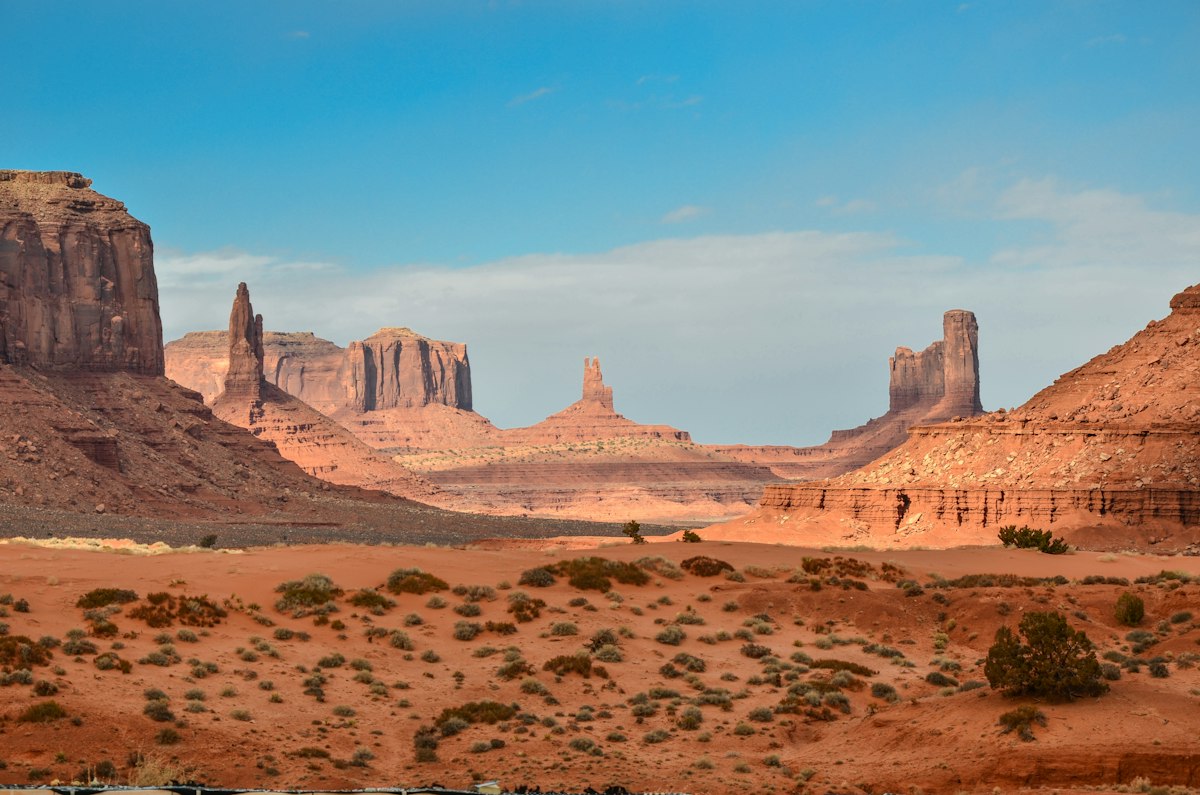
Jaisalmer's Sam Sand Dunes, 45 kilometres west of the Golden City, are the closest point in Rajasthan to true Saharan-scale desert landscape. By day, they are beautiful in their emptiness. By night — with no artificial light for miles, the air completely still, and the Milky Way arching overhead in a density you will never see from a city — they are extraordinary. A luxury desert camp stay here is one of the most memorable experiences in all of Indian travel.
Choosing a Camp: What to Look For
Desert camps in Jaisalmer range from plastic tents with shared bathroom blocks to genuine luxury experiences with en-suite bathrooms, four-poster beds, handwoven rugs, butler service and private campfire areas. The difference between a ₹2,000-a-night camp and a ₹15,000 one is significant. Look for camps that use traditional shamiyana tent construction with hand-block-printed fabrics, offer private bathrooms with running hot water, have a minimum separation between tents for privacy, and limit occupancy to preserve the wilderness atmosphere.
The Camel Safari
No desert camp experience is complete without a camel safari into the dunes. Most camps offer hour-long rides to a high dune for sunset watching — but the best experiences are full-day safaris that carry you deeper into the desert, past ancient khejri trees, abandoned villages and seasonal talaabs (ponds). Camels move at exactly the right pace for desert travel: slow enough to notice everything, gentle enough to feel at ease. The sensation of rocking atop a camel as the sun sets behind the dunes is one that guests consistently describe as their most vivid memory of India.
Evening in Camp
As darkness falls, camp fires are lit and the evening's cultural programme begins. Manganiyar musicians — a Muslim community that has served Rajput courts for centuries — play the khamaycha (a bowed instrument) and dholak (drum) in the traditional hereditary music of the desert. Kalbelia dancers — women from a nomadic snake-charmer community — perform sinuous, hypnotic dances in brilliant embroidered skirts. Dinner is served under the open sky: a spread of Rajasthani dishes including Dal Baati Churma, Ker Sangri and sweet Ghewar, eaten with your hands by firelight.
The Night Sky
If you do nothing else at the desert camp, lie on your back on the sand after dinner and look up. At Sam Sand Dunes, far from any city light pollution, the night sky is spectacular. On a clear moonless night you can see the Milky Way, the Andromeda galaxy (visible to the naked eye as a faint smudge), and a density of stars that will recalibrate your sense of scale. Several camps now offer guided astronomy sessions with telescopes and sky maps.
Practical Notes
Nights in the desert are cold from October through February — temperatures can drop to 5°C even when daytime highs reach 25°C. Pack a warm layer. Sand gets into everything: zip your bags and keep shoes outside your tent. Most camps operate from September to March; the summer months (April–June) are prohibitively hot. Heritage Booking works with a curated selection of camps that meet our standards for authenticity, comfort and environmental responsibility.