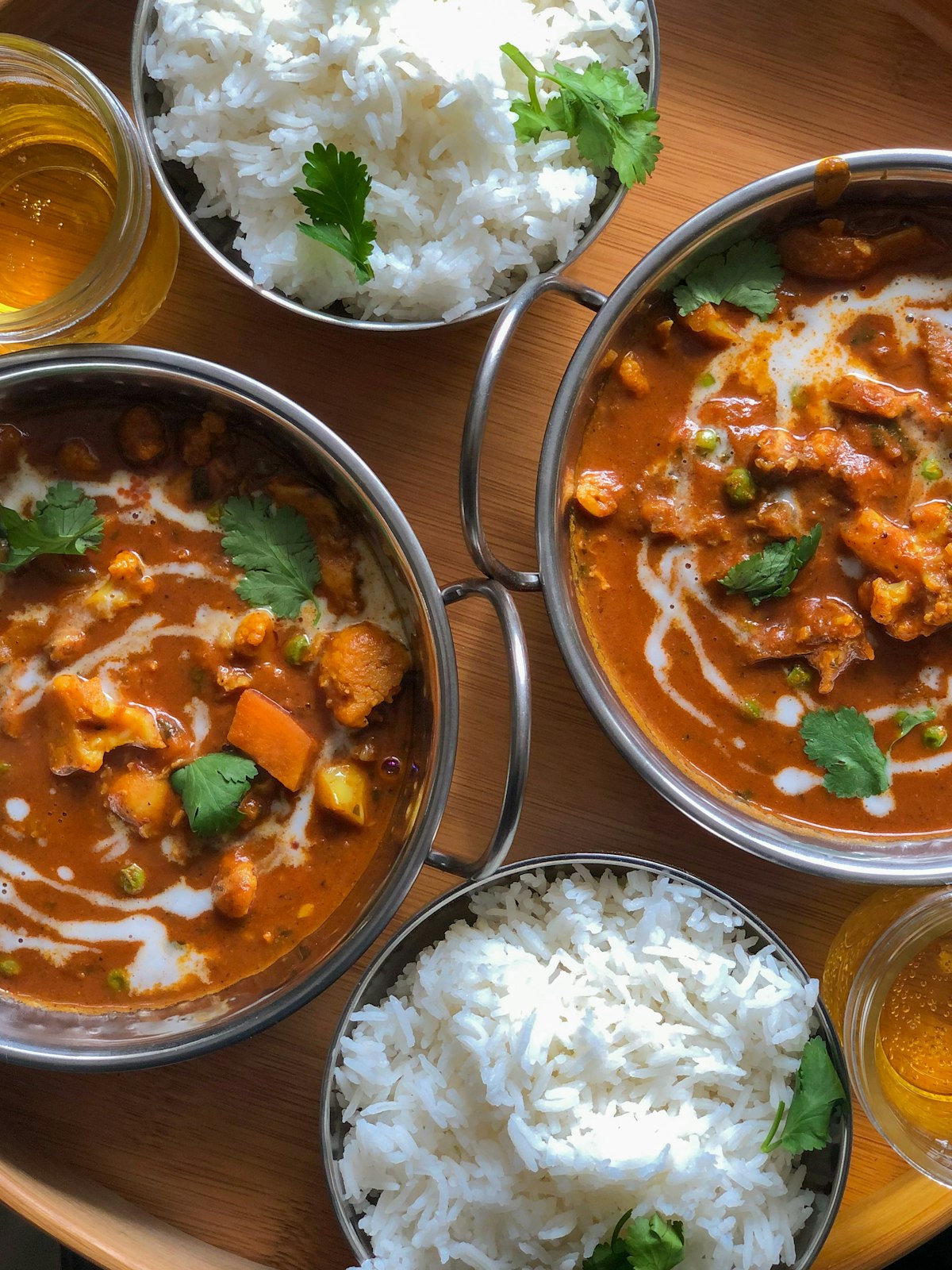
A Cuisine Born of Necessity and Royalty
Rajasthani cuisine is a paradox: it emerged from one of India's harshest landscapes — a vast desert with scarce water and seasonal produce — yet it became one of the most flavourful and celebrated culinary traditions in the country. Necessity drove innovation. The same spices that preserved food in the desert heat also created the complex, layered flavours that define Rajasthani cooking today.
Dal Baati Churma: The Holy Trinity
No dish defines Rajasthan more completely than Dal Baati Churma. The baati is a hard wheat dumpling baked in the desert sand or over cow-dung embers — an ancient technique developed by Rajput warriors who needed food that could cook unattended during battle. The dal is a rich, smoky lentil preparation, often made with five different pulses. The churma is a sweet crumbled wheat preparation mixed with ghee and jaggery. Served together, they create a meal of extraordinary balance — savoury, earthy and sweet.
Laal Maas: The Red Meat Curry
Laal Maas — literally "red meat" — is a fiery mutton curry made with dozens of Mathania red chillies, giving it a colour as vivid as it sounds. Originally a dish of the Rajput hunting camps, made with wild boar or deer, it is today made with goat or lamb. The heat of the chillies is balanced by a base of yoghurt and ghee, creating a curry that is simultaneously incendiary and deeply comforting. At heritage palace restaurants, Laal Maas is often slow-cooked in sealed clay pots and brought to the table theatrically.
Ker Sangri: The Desert Vegetable
In a region where fresh vegetables were historically scarce, ker (a wild desert berry) and sangri (a dried bean from the Khejri tree) became pantry staples. Dried, pickled or cooked with spices, they form one of Rajasthan's most distinctive vegetarian dishes. Ker Sangri has a uniquely concentrated, almost salty flavour that pairs perfectly with bajra rotis and a spoonful of ghee.
Gatte ki Sabzi
When fresh vegetables were unavailable, Rajasthani cooks turned to gram flour (besan). Gatte are boiled gram flour dumplings spiced with carom seeds and chilli, then simmered in a tangy yoghurt-based gravy. Simple in ingredients but complex in flavour, Gatte ki Sabzi is found on the menus of both royal palace restaurants and village dhabas.
The Royal Sweet Table
Rajasthani sweets are legendary: Ghewar — a disc-shaped honey-soaked cake made for festivals; Malpua — sweet fried pancakes dipped in syrup; Rabdi — thickened sweetened milk; and Kalakand — a dense milk cake set with saffron and cardamom. At heritage hotel feasts, dessert can involve up to a dozen preparations presented simultaneously on a silver thali.
Where to Eat Like Royalty
The finest Rajasthani cuisine is served in the dining rooms of heritage palace hotels — often in spectacular settings. Jaipur's Rambagh Palace hosts candlelit dinners in a marble courtyard. Jodhpur's Umaid Bhawan serves its thali beneath painted ceilings in a hall where maharajas once entertained heads of state. Book a heritage stay through Heritage Booking and ask about royal dining experiences when you reserve.